
Where Should You Install a Gas Fire Pit in Your Yard?
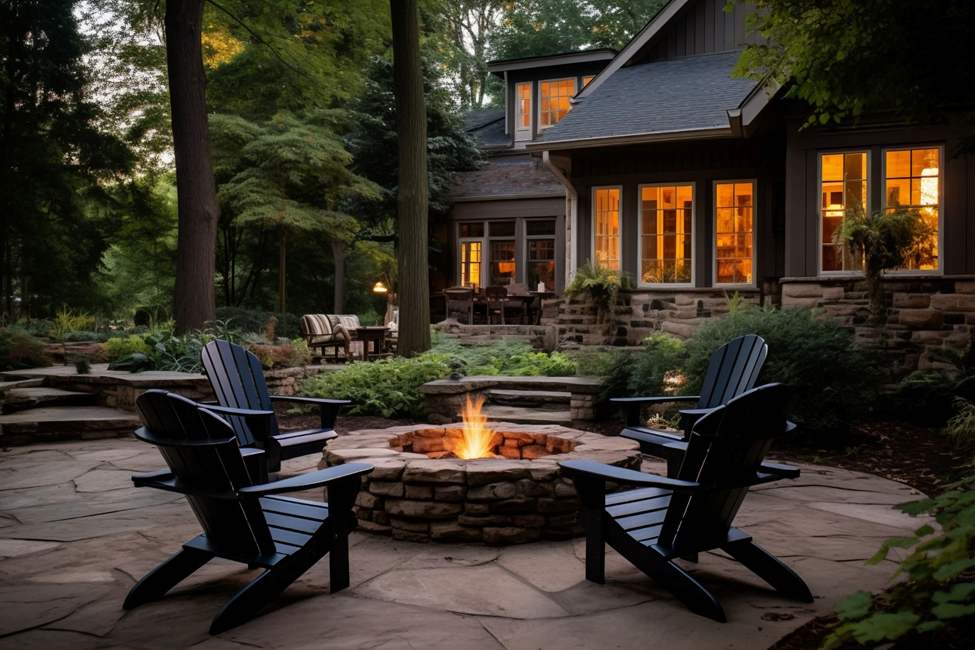
Choosing the best place to install a gas fire pit is one of the most important decisions you’ll make when upgrading your outdoor living space. The right location improves safety, comfort, aesthetics, and long-term performance. The wrong placement can create smoke flow issues, safety hazards, or code violations.
For homeowners with outdoor space, thoughtful backyard fire pit placement and a well-planned patio fire pit setup can transform a simple yard into a functional gathering area your family enjoys year-round.
Planning a safe and code-compliant upgrade? Our professional Gas Fire Pit Installation service ensures proper placement, gas line setup, and long-term safety for your outdoor space.
Why Location Matters More Than You Think
A gas fire pit isn’t just decorative, it’s a heat source connected to a fuel line. Proper placement affects:
Safety and fire risk
Comfort and heat distribution
Wind performance
Gas line routing
Property code compliance
Long-term structural protection
Before installing, you need to evaluate your yard holistically.
Start with Safety and Local Codes
The first rule in determining the best place to install a gas fire pit is understanding clearance requirements.
General Safety Guidelines
While local codes vary, typical recommendations include:
At least 10–20 feet away from your home
Minimum 3 feet clearance around seating
At least 7 feet vertical clearance from overhead structures
Keep away from trees, pergolas, umbrellas, and siding
Always check local regulations before proceeding.
Evaluate Your Yard Layout
Every yard is unique. Your fire pit placement should complement existing features.
Ask Yourself:
Where do we naturally gather?
Is the space sheltered from wind?
Is there adequate ventilation?
How will guests move around it?
Mapping traffic flow prevents crowding and improves overall usability.
Backyard Fire Pit Placement: Best Outdoor Zones
Let’s break down the most common areas homeowners consider.
Open Lawn Area
Pros:
Flexible layout
Good ventilation
Lower risk to structures
Cons:
May require new gas line trenching
Less built-in seating
This option works well if you want a dedicated gathering zone separate from the house.
Patio Fire Pit Setup (Most Popular Choice)
A structured patio fire pit setup is ideal for homeowners who already have a concrete or paver surface.
Benefits:
Stable, non-combustible foundation
Easy seating arrangement
Convenient access from house
Close to kitchen and utilities
However, clearance from siding and roof overhangs must be strictly maintained.
Poolside Placement
Fire and water create a dramatic visual effect.
Considerations:
Maintain safe distance from pool equipment
Avoid direct splash exposure
Ensure wind does not blow heat toward swimmers
When properly positioned, a poolside fire pit enhances nighttime ambiance.
Covered Patio or Pergola Area
This setup requires extreme caution.
Gas fire pits under covered structures must have:
Proper ventilation
Adequate vertical clearance
Manufacturer approval
Without correct airflow, heat accumulation can become dangerous.
Wind Direction: An Overlooked Factor
Understanding prevailing wind patterns is essential when choosing the best place to install a gas fire pit.
Wind impacts:
Flame direction
Heat distribution
Guest comfort
Flame stability
Avoid placing your fire pit in a wind tunnel between fences or walls. Consider natural wind barriers like landscaping or privacy screens.
Distance from Structures and Utilities
Never place a gas fire pit directly next to:
Vinyl siding
Wooden fencing
Gas meters
Electrical panels
AC units
Proper spacing reduces heat damage and ensures safe access for service.
Gas Line Access and Practical Installation
Your fire pit needs a reliable fuel source.
Natural Gas Considerations
Connected to home gas line
May require trenching
Ideal for permanent installation
Propane Considerations
Requires tank storage
Must remain upright
Needs concealed but ventilated placement
The shorter the gas line run, the more cost-effective and efficient your installation.
Think About Seating Layout
Fire pits work best when seating is thoughtfully arranged.
Ideal Setup:
Circular seating for conversation
3–5 feet from flame edge
Stable, non-flammable chairs
Avoid overcrowding. The goal is warmth without discomfort.
Consider Long-Term Maintenance Access
When planning backyard fire pit placement, leave room for:
Cleaning access
Burner inspection
Gas valve shutoff access
Future repairs
Installing too close to walls or landscaping makes maintenance difficult.
Surface Materials Matter
Your fire pit should sit on non-combustible surfaces such as:
Concrete
Pavers
Stone
Gravel base
Avoid:
Wood decking (unless rated and shielded)
Artificial turf
Dry grass
Heat reflection from proper materials improves safety.
Privacy and Ambiance Planning
The best place to install a gas fire pit also enhances mood and privacy.
Strategic placement can:
Block neighbor views
Frame landscape features
Highlight architectural elements
Create a defined outdoor room
Consider lighting integration and sightlines from inside your home.
Noise and Neighbor Considerations
While gas fire pits are quiet, gatherings can generate noise.
Place your pit:
Away from shared fences
Not directly under bedroom windows
In compliance with HOA rules
Respecting neighbors protects long-term enjoyment.
Drainage and Water Flow
Never install a fire pit in a low-lying area prone to water pooling.
Standing water can:
Damage burners
Corrode gas fittings
Reduce longevity
Proper grading ensures durability.
Professional Assessment Makes the Difference
Even with planning, homeowners often overlook critical safety details.
A professional evaluation ensures:
Code compliance
Proper gas pressure
Secure fittings
Safe clearances
Optimal location selection
Correct installation prevents costly relocation later.
Common Placement Mistakes to Avoid
Installing too close to the house
Ignoring wind patterns
Blocking walkways
Overlooking drainage
Failing to plan gas access
Avoiding these errors ensures long-term safety and satisfaction.
Final Checklist: Best Place to Install a Gas Fire Pit
Before installation, confirm:
✔ Proper clearance from structures
✔ Adequate ventilation
✔ Stable non-combustible surface
✔ Safe seating distance
✔ Wind protection
✔ Easy maintenance access
✔ Code compliance
When all factors align, your outdoor space becomes a safe and inviting retreat.
Choosing the best place to install a gas fire pit requires careful planning, safety awareness, and practical design thinking. From proper backyard fire pit placement to a functional patio fire pit setup, location determines both safety and enjoyment.
A well-positioned gas fire pit enhances comfort, protects your property, and creates a gathering space your family can enjoy for years.
This information has been provided by Fireplace and Grill Experts, Inc., for informational and educational purposes. Fireplace and Grill Experts, Inc., is a locally owned and operated family business with over 30 years of experience in the hearth industry. If it is gas related, we are your professional and experienced service team. We proudly service Metro Denver and surrounding areas, offering affordable, transparent pricing and exceptional service. Please contact us for a free estimate or with any questions you may have.
Book Appointment with Us today to ensure your gas fire pit is installed safely, correctly, and in the ideal location for your yard.
FAQs
-
The best location is at least 10–20 feet from structures, on a non-combustible surface, with proper ventilation and wind protection.
-
Yes, a patio fire pit setup works well if clearance requirements and surface safety guidelines are followed.
-
Typically 10–20 feet, but always check local building codes and manufacturer instructions
-
Only if proper ventilation and clearance requirements are met and the manufacturer approves covered installation.
-
Yes, especially for natural gas connections. Professional installation ensures safety and code compliance.
