
Best River Hikes in Colorado
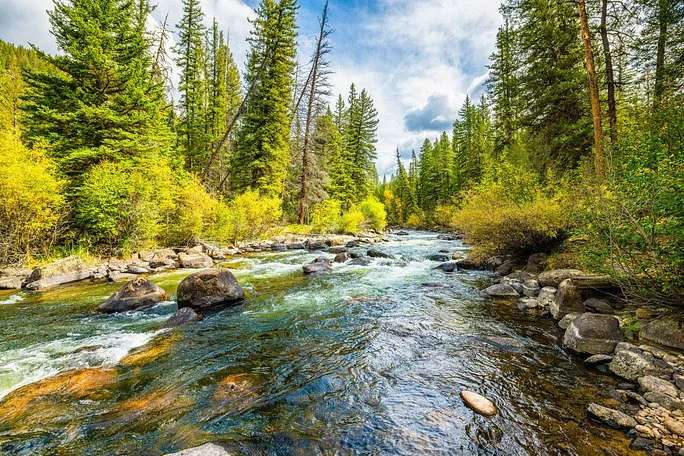
There’s something about a Colorado river hike that just hits different. Maybe it’s the sound of water over stones, the way the air cools down near the canyon walls, or the fact that every “we’re just going to go for a quick walk” plan somehow turns into an all-day adventure.
If you’re looking for the best river hikes in Colorado—trails where the water is a constant companion—here are my top picks. I’m going to focus on hikes with great scenery, reliable river access, and routes that are popular for a reason. (And yes, I’m including links so you can double-check distances, trail conditions, and current recommendations before you go.)
1) Hanging Lake & River (Glenwood Canyon) — Royal treatment for your knees
This one isn’t just a “river hike,” but it’s absolutely one of the most iconic river-adjacent experiences in Colorado. Hanging Lake sits right in Glenwood Canyon with the Colorado River nearby, and the whole area feels like a postcard: steep canyon walls, lush vegetation, and water everywhere.
Why it’s worth it:
Unreal scenery that looks photoshopped (but isn’t)
River/canyon setting with a magical, humid vibe near the lake
Crowd-worthy for a reason
Hanging Lake trail info (including permits/timing): Hanging Lake (Colorado Parks & Wildlife)
Quick note: Reservations/permits are often required—check before you go.
2) Maroon Creek via Ute Trail (Near Aspen) — Mountain payoff with a stream running through it
If you want a river hike that’s less about “one famous destination” and more about an ongoing, beautiful corridor of water and wild scenery, Maroon Creek is a winner. You’ll follow the creek through a landscape that feels remote even when you’re still technically in-bounds of popular hiking.
Why it’s worth it:
Constant creek presence and great “soundtrack hiking”
Gorgeous valley views, especially in shoulder seasons
Feels wild and scenic without being a total maze
Trail overview for Maroon Creek / Ute Trail area: Maroon Lake Scenic Trail (U.S. Forest Service / relevant resources)
(If you’re planning specifically from the Maroon Lake trailheads, search the Forest Service route page for your start point—USFS updates details often.)
3) South Maroon Creek to Maroon Lake (Maroon Bells area) — The classic creek-to-mountain combo
Similar region, different vibe: Maroon Lake is one of those Colorado places that makes you stop talking because your brain is busy processing the view. The hike follows water through stunning terrain. Depending on how far you go, you can turn this into a short outing or a more serious trek.
Why it’s worth it:
Scenic water corridor plus mountain backdrop
Great photo opportunities at multiple points
Extremely popular, but still genuinely beautiful
General trail and area info (including conditions/timing): Maroon Lake (Colorado.com)
(Colorado.com is a useful practical source for planning and seasonal notes.)
4) St. Vrain River (Eldorado Canyon / Boulder area options) — A calmer, more flexible river day
Not every river hike has to be epic and remote. Some of the best “real life” Colorado adventures happen on routes where you can turn around anytime, stop for snacks, and still feel like you earned your afternoon. The St. Vrain River corridor near the Boulder/Eldorado area offers options depending on where you access.
Why it’s worth it:
Good for shorter hikes and casual pacing
River access without needing a mega-commitment
Great spring/summer atmosphere
Explore Boulder-area trails and river recreation: City of Boulder Open Space & Mountain Parks
5) Mount Bierstadt via the North St. Vrain / (Choose river-adjacent routes) — Big mountain energy with water nearby
This is a more “choose-your-own-adventure” pick: the North St. Vrain drainage is a great area for getting that mountain-river vibe, especially when you blend the approach routes with trailheads that put you near the water early on. You’ll trade flat riverwalk for alpine drama as you climb.
Why it’s worth it:
You get river scenery early, then full-on mountain payoff
Works well for experienced hikers who want elevation
Great “Colorado variety” day
Trail/route context for Bierstadt area: Mount Bierstadt Trail info (AllTrails)
(AllTrails is helpful for quick distance/elevation snapshots, but always verify with local sources for current conditions.)
6) Colorado River in Rocky Mountain National Park (Estes Park area options) — When “river hike” meets iconic park scenery
Rocky Mountain National Park has multiple waterways that can show up in your hike depending on the route you choose. If you want a river-focused feel—especially with dramatic valleys and forest—pairing a well-known trail with a route that keeps you near water is the move.
Why it’s worth it:
Park-level scenery and trail infrastructure
Great wildlife potential
Water sound is constant on many routes
Official trail guidance and hiking info: Rocky Mountain National Park (NPS)
7) Clear Creek / Georgetown area trails — Mining town + river corridor = perfect day
Clear Creek runs through some of Colorado’s most charming history, including the Georgetown/Idaho Springs corridor. Trails in this area can give you that classic “Colorado river valley” feel with opportunities to see old mining structures and steep canyon walls.
Why it’s worth it:
Real river energy and lots of canyon atmosphere
Great for a day trip with nearby towns
Tons of trail options depending on how long you want to go
Georgetown / Clear Creek planning resources: Georgetown Loop / Clear Creek area (local tourism info)
8) Arkansas River: Royal Gorge area hikes — Water + sheer cliffs
If you want a river hike that feels epic from the start, the Arkansas River near Royal Gorge is hard to beat. The gorge is dramatic, and the hiking options nearby often give you sweeping views of the water cutting through the canyon.
Why it’s worth it:
Huge canyon and cliff scenery
Great combination of “river nearby” + “lookouts”
Fantastic for photography
Royal Gorge and nearby hike info: Royal Gorge (official site)
9) Arkansas River Trail (Salida / Browns Canyon area) — Quieter than the spectacle, still incredible
For a more relaxed-feeling river hike—especially if you’re visiting in warmer months—the Arkansas River corridor around Salida and near Browns Canyon offers a great mix of scenic riverbanks and trails. This is where you can do “steady hiking” without always needing to scramble.
Why it’s worth it:
Less harsh than some canyon scrambles
River views most of the way
Great for mixed-experience groups
Browns Canyon / trails and recreation info: Browns Canyon National Monument (NPS)
10) Cache la Poudre River (Poudre Canyon) — Forests, waterfalls, and actual “wow” moments
This is one of my favorites because it feels like a whole ecosystem. The Cache la Poudre runs through breathtaking canyons and forest environments, and the area offers multiple route styles depending on what you want—waterfalls, river access, or a longer trek.
Why it’s worth it:
The river corridor is genuinely beautiful
Can include waterfalls depending on the specific route
Great for anyone who loves forest + water
Cache la Poudre overview and hiking resources: Colorado State Parks (Poudre Canyon / nearby areas)
Hiking reminders (especially for river hikes)
River hikes sound straightforward, but water adds variables. Here are the things that matter most:
Check water levels and flow (especially after storms or during snowmelt).
Don’t assume bridges/footings are stable—spring conditions can be unpredictable.
Watch for slick rocks near the waterline. The most photogenic stone is often the most dangerous one.
Leave room for “turn around” moments. River hikes can tempt you to push, but it’s always okay to scale back if conditions change.
Bring a little more than you think you’ll need. If you get delayed, you’re still near water, but you’re not always close to services.
Final thought: pick your vibe, then pick your river
If you want iconic and dramatic, start with Hanging Lake or the Royal Gorge area. If you want forest and that “everything smells green” feeling, Cache la Poudre and Clear Creek are calling. If you want creek valleys that make you feel like you’re in the backcountry even when you’re not, Maroon Creek and nearby routes are hard to top.
If you tell me where you’ll be driving from (Denver? Colorado Springs? Aspen? Fort Collins?), the time of year, and your fitness level, I can narrow this down to a “best 3 hikes for you” list with suggested start times.
This information is being provided by Fireplace and Grill Experts for entertainment purposes only. For more blogs and information, visit: https://fireplaceandgrillexperts.com
