
Top Five Safety Tips for Your Gas Grill
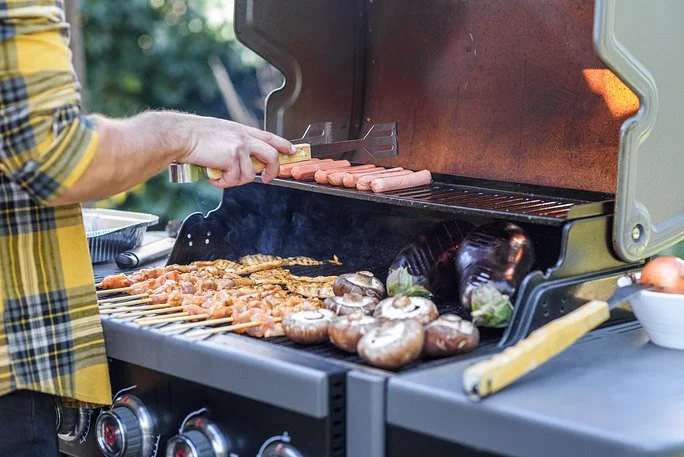
Summer’s here, the weather’s perfect, and that outdoor gas grill is probably already calling your name. But before you crank it up and start cooking burgers, chicken, or those “just one more” skewers, it’s worth taking a minute to think about safety. Gas grills are convenient—but propane and natural gas are still fuels, and that means small mistakes can turn into big problems.
To help you enjoy the season and keep things worry-free, here are the top five safety steps you should take this summer when using your outdoor gas grill. And if you’re looking for more grill tips and know-how, you can check out fireplaceandgrillexperts.com for helpful guides and practical advice.
1) Do a quick leak check before lighting anything
This is the big one, and it’s worth doing every time you use the grill—especially at the start of the season or if you’ve moved the grill.
How to check for leaks
Make sure the control knobs are turned OFF.
Connect the propane tank (if using propane) or confirm the gas line connection (if using natural gas).
Open the gas supply valve slightly (just for testing).
Use a soapy water solution (dish soap + water) and apply it to:
the hose connections
the regulator connection
any fittings you’ve disturbed
If you see bubbles forming, that’s a leak.
If you detect a leak:
Turn the gas off right away
Don’t light the grill
Tighten connections if appropriate
If the leak doesn’t stop, stop troubleshooting and contact a professional
Why this matters: Summer use often means the grill gets moved, covered/uncovered, or reconnected after storage. Small issues can go unnoticed until you try to light it.
For additional best practices, you can also browse helpful resources at fireplaceandgrillexperts.com.
2) Inspect hoses, regulators, and burner condition regularly
A leak check is critical, but it doesn’t replace an overall look-over. Spend a couple minutes inspecting the parts that take the most wear during summer grilling.
What to look for
Hoses: cracks, brittleness, abrasions, or loose fittings
Regulator: damage or corrosion
Burners: signs of rust, blockages, or misalignment
Ignition area: keep an eye out for debris (spiders love grills—especially in warmer months)
If you notice anything damaged or significantly corroded, don’t “hope it’ll be fine.” Replace parts as recommended by the manufacturer. Many grill problems come down to dirty burners or partial blockages.
Quick burner note: If your grill lights unevenly, makes strange roaring sounds, or takes multiple tries to ignite, the burners may be clogged. That’s not just inconvenient—it can contribute to unsafe ignition behavior.
If you want product-specific guidance, it’s worth checking out more grill maintenance tips via fireplaceandgrillexperts.com.
3) Clean the grill (and especially manage grease) before you cook
Fire risk during grilling often comes from grease and buildup. Summer grilling usually means more frequent use, more marinade drips, and more melted fat. Without cleaning, residue can build up and create flare-ups that get out of hand.
What to do before cooking
Remove leftover food debris and clean the cooking grates
Check the drip tray and grease collection area
Scrape down surfaces where grease accumulates
Empty/replace drip pans if your model uses them
Wipe down the interior where grease collects
Why this is so important
Grease fires happen fast. Even if you think flare-ups are “normal,” consistent heavy flare-ups often point to excess buildup.
A good rule of thumb:
If you routinely get big flames from drippings, clean more thoroughly or adjust how you manage heat.
Also—use the lid properly. Grilling with the lid down helps control flare-ups and promotes even cooking, but always stay attentive when grease is involved.
4) Set up your grill safely: location, clearance, and stability
Where you place the grill matters as much as how you maintain it. A safe grill setup can prevent accidents like fires, tipping, and blocked airflow.
Placement checklist
Use the grill outdoors only
Keep it away from:
siding
railings
overhangs
umbrellas
trees or brush
Maintain proper clearance around the grill (follow your manufacturer’s guidance)
Make sure the grill sits on a level, stable surface
Avoid using it near walkways where people can bump it
Wind and heat hazards
Summer evenings can be breezy. Strong wind can:
push flames around
interfere with burner performance
increase flare-up risk
If it’s gusty, consider waiting until conditions are calmer—or adjust your cooking approach carefully.
This step is simple, but it’s one of the easiest ways to reduce risk without much effort. If you’re setting up a new grill location or reorganizing your patio this year, fireplaceandgrillexperts.com has plenty of guidance that can help you think through the setup.
5) Know how to light it safely—and what to do if something feels “off”
Most people have a “usual routine” when they grill. That’s normal. But in the interest of safety, make sure you’re lighting your grill the right way every time—and that you know how to respond if ignition doesn’t go smoothly.
Safe lighting basics
Keep the lid open when lighting (this helps prevent gas buildup)
Follow the lighting instructions in your grill manual
Turn knobs appropriately before ignition
If it doesn’t ignite:
shut off the gas
wait for a short period to let gas dissipate
try again only after things look clear
If you hear unusual sounds
If you notice:
a strong “whoosh” or gas-y sound
repeated ignition failure
persistent irregular flame behavior
Stop and troubleshoot. Don’t ignore it. Unusual ignition can be caused by burner blockages or misalignment.
And one more important point: keep kids and pets away while lighting and grilling. Sounds obvious, but it’s still a top cause of avoidable incidents.
If you want to be extra prepared, having the manufacturer’s manual handy (or saving it on your phone) is a smart move. You’ll be glad you did.
For additional safety-focused grill resources and guidance, check fireplaceandgrillexperts.com.
Bonus: make your grill safety routine feel easy
If you want a simple rhythm, here’s one you can use all summer:
Before every cookout
Quick leak check (especially if first use after storage or if you moved the tank)
Lid open when lighting
Check burners and clear any debris
Before you start grilling
Clean grates
Remove grease buildup and check drip tray
During cooking
Stay nearby, especially when foods are dripping or you’re using higher heat
Manage flare-ups promptly and safely
After cooking
Let it cool
Clean surfaces
Cover appropriately (using a grill cover designed for your model)
You don’t have to turn grilling into a chore—it just needs a consistent, low-effort routine.
Enjoy summer grilling—safely
There’s nothing like eating outside on a warm night, hearing the sizzle, and tasting that smoky flavor you just can’t replicate indoors. With a few basic safety steps, you can keep summer fun and reduce the chance of unpleasant surprises.
To recap the top five safety steps this summer:
Do a leak check before lighting
Inspect hoses, regulators, and burners regularly
Clean grease and buildup before you cook
Place the grill safely with proper clearance and stability
Light carefully and know what to do if ignition seems wrong
If you want more practical tips, maintenance advice, or guidance for choosing and setting up outdoor heating and grilling equipment, head to fireplaceandgrillexperts.com. It’s a great place to keep learning so your summer grilling stays smooth from start to finish.
Happy grilling—and stay safe!
