
Things You Should Know Before Installing a Gas Fire Pit
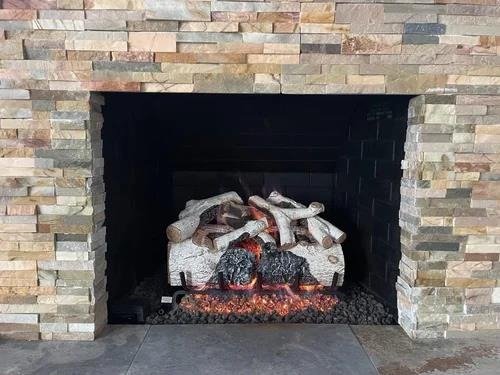
Installing a gas fire pit can transform your backyard into a stylish, functional, and cozy gathering space. However, proper planning and understanding the technical and safety requirements are essential for long-term enjoyment. Working with experienced gas fireplace contractors ensures that your installation meets code, operates safely, and delivers reliable performance for years.
This guide will walk you through the critical considerations before installing a gas fire pit in your home.
Why Proper Gas Fire Pit Installation Matters
Installing a gas fire pit is more than just setting a decorative feature in your yard. A properly installed unit ensures safety, performance, and the longevity of your investment.
Safety and Compliance Considerations
Incorrect installation can lead to gas leaks, carbon monoxide hazards, or fire risks. Following local codes and industry best practices is vital. A certified professional ensures your system meets all safety standards, including proper burner placement, valve installation, and emergency shut-off mechanisms.
Long Term Performance and Durability
Gas fire pits are an investment. Proper installation prevents common problems like uneven flames, burner clogging, and premature wear on components. Ensuring your fire pit is level, stable, and connected correctly contributes to consistent performance.
Protecting Your Property Investment
Poorly installed fire pits can damage surrounding hardscapes, furniture, or landscaping. Thoughtful planning, combined with professional installation, safeguards both your property and the fire pit itself.
Understanding Gas Fire Pit Requirements
Before installation, it is critical to understand technical and regulatory requirements for safe and efficient operation.
Local Building Codes and Permits
Different cities and municipalities have specific regulations regarding gas fire pits. These can include restrictions on fuel type, distance from structures, and ventilation standards. Securing the necessary permits before installation avoids fines and ensures compliance.
Clearance and Placement Guidelines
Fire pits must have adequate clearance from buildings, decks, overhangs, and combustible materials. A safe perimeter around the fire pit reduces fire hazards and allows for proper airflow. Clearance requirements may vary based on fuel type and fire pit design.
Ventilation and Airflow Considerations
Proper ventilation ensures complete combustion and prevents dangerous gas buildup. Location, surrounding walls, and landscaping can all affect airflow. Maintaining an open area around the fire pit allows flames to burn cleanly and efficiently.
Choosing Between Natural Gas and Propane
Selecting the right fuel type impacts convenience, cost, and installation complexity.
Fuel Source Availability
Natural gas may be preferable if your home already has a gas line connection. Propane is portable and can be used in areas without existing gas infrastructure.
Cost and Convenience Comparison
Natural gas tends to be more cost-effective for long-term use and requires less frequent refilling. Propane offers flexibility but involves ongoing fuel management and replacement tanks.
Installation Differences
Natural gas installations may require professional line connections and meter adjustments, while propane setups involve tanks and pressure regulators. Understanding these differences helps determine which option best suits your home and lifestyle.
For professional installation and guidance, consider Gas Fire Pit Installation services for precise and safe setup.
Gas Fire Pit Safety Essentials
Safety should always be a top priority during installation and operation.
Proper Burner and Valve Installation
Burners must be installed correctly to ensure an even flame pattern. Valves should be securely connected and tested for leaks. Improper installation can lead to gas buildup or malfunctioning burners.
Emergency Shut Off Systems
Every gas fire pit should include an accessible emergency shut-off system. This allows users to quickly stop gas flow if an unexpected situation arises.
Safe Operation Guidelines
Operate the fire pit only as intended by the manufacturer. Avoid using flammable liquids or placing objects too close to the flames. Always follow manufacturer instructions for lighting, adjusting, and shutting down the unit.
Outdoor Fire Pit Installation Planning
Thoughtful planning improves aesthetics and functionality while reducing risk.
Surface and Base Preparation
A level, non-combustible surface is essential for stability. Stone, concrete, or paver bases are ideal. Uneven surfaces can cause tipping, uneven flames, or damage to components.
Hardscaping and Landscaping Integration
Incorporate the fire pit into your existing patio, deck, or garden design. This ensures the installation enhances the space visually and functionally. Consider seating arrangements, pathways, and surrounding features.
Drainage and Weather Protection
Proper drainage prevents water accumulation in and around the fire pit. Protect components from rain, snow, and debris to extend longevity. Adequate drainage and weatherproofing reduce corrosion and electrical issues.
Professional Installation vs DIY
While DIY projects can be tempting, gas fire pit installations involve complex considerations that are best handled by professionals.
Gas Line Connection Risks
Incorrect connections can lead to leaks, fire hazards, or carbon monoxide exposure. Professionals use industry-standard tools and testing methods to ensure a secure and safe gas supply.
Code Compliance and Inspection
Certified installers are familiar with local building codes and will handle permit requirements and inspections. This ensures your installation is legal, safe, and insurable.
Warranty Protection Considerations
Professional installation is often required to maintain manufacturer warranties. DIY installations may void coverage, leaving you responsible for repairs or replacements.
Maintenance Requirements After Installation
Regular maintenance ensures your fire pit remains safe, functional, and visually appealing.
Routine Cleaning
Remove debris from burners, gas lines, and surrounding areas. Clean the surface, lava rocks, or decorative elements to prevent buildup that could affect performance.
Seasonal Inspections
Check for corrosion, loose fittings, or cracks in the unit before peak use seasons. Early detection of issues prevents costly repairs and safety hazards.
Covering and Protecting the Unit
Use a weatherproof cover when the fire pit is not in use. This protects the unit from rain, snow, dust, and UV damage, extending its lifespan.
Common Mistakes to Avoid During Gas Fire Pit Installation
Avoid these frequent errors to maintain safety and efficiency.
Incorrect Sizing
A fire pit that is too small may not provide adequate heat, while a large unit may pose safety risks or require special permits.
Improper Venting
Blocked or insufficient ventilation can result in poor combustion and dangerous gas accumulation. Always ensure airflow meets code and manufacturer recommendations.
Ignoring Manufacturer Specifications
Follow the manufacturer’s guidelines for installation, operation, and maintenance. Deviating from these instructions can compromise safety, performance, and warranty coverage.
Why Homeowners Trust Fireplace & Grill Experts
Professional experience ensures reliable and safe installations.
Certified Installation Experience
With years of specialized training, Fireplace & Grill Experts provides certified installation services that meet or exceed safety and performance standards.
Safety Focused Approach
Safety is a top priority during every installation. From secure gas line connections to proper burner placement and emergency shut-off systems, professionals minimize risks.
Long Term Customer Support
Beyond installation, the company offers ongoing support for maintenance, repairs, and service questions, ensuring homeowners get long-term value from their investment.
FAQs About Gas Fire Pit Installation
-
Yes. Local building codes often require permits to ensure safety and compliance with zoning regulations.
-
Maintain a minimum clearance, typically 10–15 feet, from structures and combustible materials. Local codes may vary.
-
Both have advantages. Natural gas is cost-effective and permanent, while propane is portable and flexible for homes without a gas line.
-
Professional installation typically ranges from a few hours to a full day, depending on site preparation, gas line connection, and unit complexity.
-
Regular cleaning, seasonal inspections, and protective covering will ensure safe operation and long-term durability.
Final Considerations Before Installing Your Gas Fire Pit
Installing a gas fire pit adds warmth, ambiance, and entertainment value to your home, but proper planning and professional installation are crucial. Consider fuel type, location, clearance, safety systems, and ongoing maintenance to ensure optimal performance and compliance with regulations. Partnering with certified experts provides peace of mind, reliable operation, and long-term enjoyment for your outdoor living space.
This information has been provided by Fireplace & Grill Experts, Inc. for informational and educational purposes. We are a locally owned and operated family business with over 30 years of experience in the hearth industry. Whether it is gas related, we are your professional and experienced service team. We proudly service Metro Denver and all surrounding areas, offering affordable, transparent pricing and exceptional service you can trust. Please contact us for a free estimate or with any questions you may have, we’re here to help you make the right choice with confidence.
