
10 Signs Your Gas Fireplace Insert Needs Professional Service
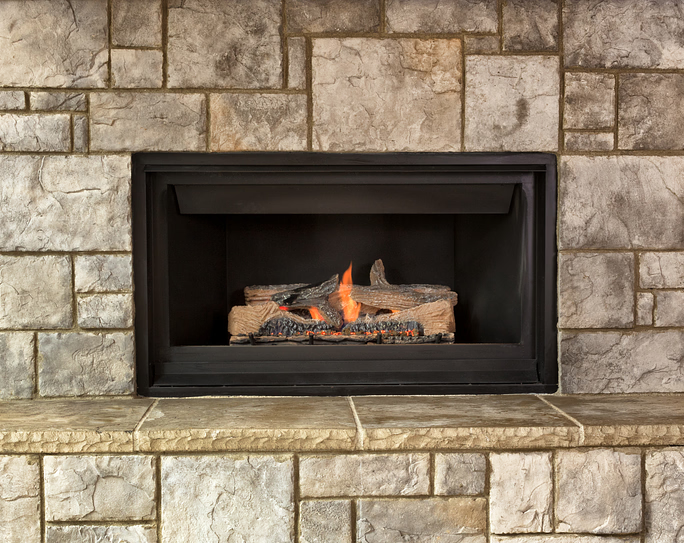
A gas fireplace insert is a highly engineered heating appliance that combines controlled combustion, sealed venting, electrical components, and safety systems into one compact unit. While it offers convenience and consistent warmth, it also requires proper care. Recognizing gas fireplace insert warning signs early is essential for maintaining safe operation, protecting heating efficiency, and extending the lifespan of the system.
Gas inserts operate under carefully regulated gas pressure, airflow calibration, and ignition sequencing. When any of these systems become misaligned, dirty, or worn, performance declines and safety risks increase. Understanding what symptoms indicate the need for professional service allows homeowners to act proactively rather than reactively.
If you are looking for experienced gas fireplace contractors, working with qualified professionals ensures that inspection, diagnostics, and repairs are handled according to manufacturer standards and safety codes.
Why Recognizing Gas Fireplace Insert Warning Signs Matters
Gas fireplace inserts are sealed systems designed for controlled combustion. Small performance issues often signal deeper mechanical or ventilation problems. Early detection protects not only the appliance but also indoor air quality and structural safety.
Safety Risks of Ignoring Early Symptoms
Gas appliances must burn fuel cleanly and vent exhaust gases safely outside the home. Ignoring warning signs such as irregular flames, soot accumulation, or strange odors increases the risk of incomplete combustion. Incomplete combustion may produce elevated carbon monoxide levels, which are hazardous in enclosed spaces. Faulty gas connections or damaged seals can also introduce fire risks if not corrected promptly.
Impact on Efficiency and Heating Performance
Efficiency depends on balanced airflow, proper gas pressure, and clean burners. When components are dirty or misaligned, the insert may consume more fuel while producing less heat. Reduced efficiency increases operational costs and places additional strain on internal components, accelerating wear.
Preventing Costly Repairs Through Early Detection
Routine servicing allows technicians to identify worn parts such as thermocouples, gaskets, blowers, or ignition electrodes before they fail completely. Replacing small components early is typically less expensive than repairing damage caused by prolonged neglect.
1. Unusual or Loud Noises from the Insert
Gas fireplace inserts are engineered for relatively quiet operation. Noticeable changes in sound often indicate mechanical concerns.
Rattling or Vibrating Components
Rattling noises may result from loose access panels, worn blower mounts, or unsecured vent connectors. Over time, heat cycles can cause fasteners to loosen. Vibrations can also stem from imbalanced blower wheels or debris trapped inside the fan assembly.
Whistling or Hissing Gas Sounds
A brief gas flow sound during startup can be normal. However, persistent hissing may signal irregular gas pressure, minor leaks, or improper valve sealing. Continuous gas sounds should never be dismissed.
What Technicians Check During Inspection
Technicians inspect burner assemblies, mounting brackets, blower motors, vent connectors, and gas valves. They also test gas pressure levels to confirm that the insert operates within manufacturer specifications.
2. Excessive Soot Buildup on Glass or Logs
Soot formation is a visible indicator of combustion imbalance.
Normal vs Abnormal Soot Accumulation
Light film buildup over extended use may occur naturally. Thick, dark soot appearing quickly suggests incomplete combustion or restricted airflow.
Burner Alignment and Ventilation Issues
Gas fireplace burners must align precisely with ceramic logs and flame deflectors. Misalignment alters flame patterns, causing fuel to burn inefficiently. Blocked or partially obstructed venting can also reduce oxygen supply, increasing soot production.
Cleaning vs Professional Servicing
While surface cleaning may restore glass clarity temporarily, it does not resolve the root cause. Professional servicing includes burner realignment, air shutter adjustment, and vent inspection to correct combustion balance.
3. Pilot Light Problems or Frequent Shutdowns
The pilot light initiates ignition and supports consistent burner operation.
Weak or Flickering Pilot Flame
A healthy pilot flame should appear steady and blue with minimal yellow tipping. Flickering may indicate drafts, clogged pilot orifices, or airflow disruptions.
Thermocouple or Thermopile Issues
Thermocouples and thermopiles generate electrical signals that allow gas valves to remain open. If these components degrade, the system may shut down unexpectedly as a safety precaution.
Gas Supply Irregularities
Low gas pressure or sediment buildup in supply lines can prevent reliable ignition and cause intermittent shutdowns.
4. Blower or Fan Malfunctions
Blowers circulate heated air from the firebox into the living space.
Gas Fireplace Blower Problems Explained
Dust accumulation, worn bearings, or motor fatigue can impair blower performance. Electrical faults such as damaged wiring or failing speed controllers may also affect operation.
Reduced Heat Circulation
When the blower operates inefficiently, heat remains concentrated near the insert rather than distributing evenly throughout the room.
Electrical Component Inspection
Professional inspection includes testing voltage supply, examining wiring connections, and verifying that control boards function properly.
5. Unusual Odors or Gas Smell
Odors can signal combustion or ventilation problems.
Identifying Dangerous Gas Leaks
Natural gas typically contains an added odorant to help detect leaks. A strong sulfur smell requires immediate action, including shutting off the appliance and contacting a professional.
Venting Blockages
Blocked vent caps, debris, or deteriorated vent liners can trap exhaust gases inside the system, creating persistent odors.
Immediate Safety Steps to Take
Turn off the insert, ventilate the room, and avoid using open flames. Professional evaluation is essential before restarting the unit.
6. Difficulty Igniting the Fireplace
Ignition reliability is critical for safe operation.
Homeowners experiencing repeated startup failures often benefit from professional gas fireplace and installation support to ensure ignition systems and gas flow are properly calibrated.
Ignition System Failures
Electronic ignition systems rely on spark electrodes and control modules. Carbon buildup or worn electrodes can prevent proper sparking.
Remote Control and Wall Switch Issues
Faulty receivers, drained batteries, or wiring disconnections can interrupt communication between controls and the gas valve.
When Troubleshooting Is Not Enough
If basic troubleshooting fails, advanced diagnostic tools are required to evaluate ignition timing and valve response.
7. Visible Rust or Corrosion Inside the Insert
Corrosion inside a gas fireplace insert can compromise both safety and efficiency by weakening critical structural components, such as burner trays, firebox walls, and mounting hardware. Even minor rust can spread if left untreated, leading to more serious damage over time.
Moisture and Venting Concerns Improper venting or trapped condensation can create a humid environment inside the firebox or vent connectors, accelerating rust formation. Areas near the vent and seams are particularly vulnerable.
Structural Integrity Checks During professional servicing, technicians carefully inspect all metal components, looking for early signs of corrosion, loose fittings, or weakened areas. Addressing rust promptly can prevent costly repairs and maintain reliable combustion performance.
8. Cracked Glass or Damaged Seals
The glass panel of a gas fireplace serves as a barrier between combustion gases and indoor air, while seals maintain proper pressure and heat containment. Damage to either can affect safety and performance.
Heat Expansion Stress Repeated heating and cooling cycles can cause the glass to expand and contract, leading to stress fractures. Over time, the seals that keep the insert airtight may degrade, reducing efficiency and creating potential leak points.
Safety Risks of Compromised Glass Panels Cracked or improperly sealed glass may allow hot gases to escape into the living space, increasing the risk of burns or exposure to combustion byproducts. A professional replacement ensures both safety and optimal operation.
9. Reduced Heating Efficiency
If your gas insert is producing less heat than usual, several internal issues could be at play. Reduced efficiency not only affects comfort but can also indicate wear that may worsen if unaddressed.
Blocked Burners Burner ports can become clogged with debris, soot, or mineral deposits, resulting in uneven flames and lower heat output.
Airflow Obstructions Adequate airflow is essential for complete combustion. Restrictions in intake or exhaust pathways can reduce heating efficiency and increase fuel consumption.
Internal Component Wear Valves, regulators, and sensors gradually lose precision over time. Technicians test and calibrate these parts to restore optimal function and prevent further efficiency loss.
10. Carbon Monoxide Detector Alerts
A triggered carbon monoxide detector near your fireplace signals a potentially serious safety issue and requires immediate attention.
Ventilation Failures Blocked, damaged, or improperly installed vents can allow exhaust gases to backdraft into your home, creating a risk of carbon monoxide exposure.
Why Professional Service Is Critical Certified technicians use combustion analyzers to measure emission levels, inspect the venting system, and verify that safety mechanisms are fully operational. Prompt service prevents dangerous gas buildup and ensures your fireplace operates safely and efficiently.
What Technicians Inspect During Professional Service
When servicing is performed by Fireplace and Grill Experts, technicians follow a structured inspection process to ensure comprehensive evaluation.
Burner Cleaning and Adjustment
Burners are cleaned, repositioned, and calibrated to maintain stable flame patterns.
Venting System Inspection
Venting components are examined for obstructions, corrosion, and secure connections.
Gas Line and Connection Testing
Pressure tests confirm proper gas delivery and leak free fittings.
Safety System Verification
Thermocouples, thermopiles, sensors, and shutoff mechanisms are tested for reliable performance.
FAQs About Gas Fireplace Insert Warning Signs
-
Professional servicing should occur at least once per year to maintain safe combustion and venting performance.
-
Light residue can be normal, but heavy soot usually indicates airflow or burner alignment problems.
-
Basic checks such as battery replacement may help, but internal ignition failures require professional diagnostics.
-
Loose components, blower motor wear, pressure irregularities, or debris inside the system can create unusual sounds.
-
Final Thoughts on Gas Fireplace Insert Safety and Maintenance
Gas fireplace inserts are reliable heating solutions when properly maintained. Recognizing gas fireplace insert warning signs early allows homeowners to protect their investment, ensure safe operation, and maintain heating efficiency throughout the season. Regular professional inspections, prompt repairs, and routine maintenance reduce safety risks and extend system lifespan.
This information has been provided by Fireplace and Grill Experts, Inc., for informational and entertainment purposes. We are a locally owned and operated family business with over 30 years of experience in the hearth industry. If it is gas related, we are your professional and experienced service team. We proudly service Metro Denver and all surrounding areas, offering affordable, transparent pricing and exceptional service you can trust. Please contact us for a free estimate or with any questions you may have, we’re here to help you make the right choice with confidence.
