
Lakewood Gas Fireplace Maintenance:Keep Your Home Cozy
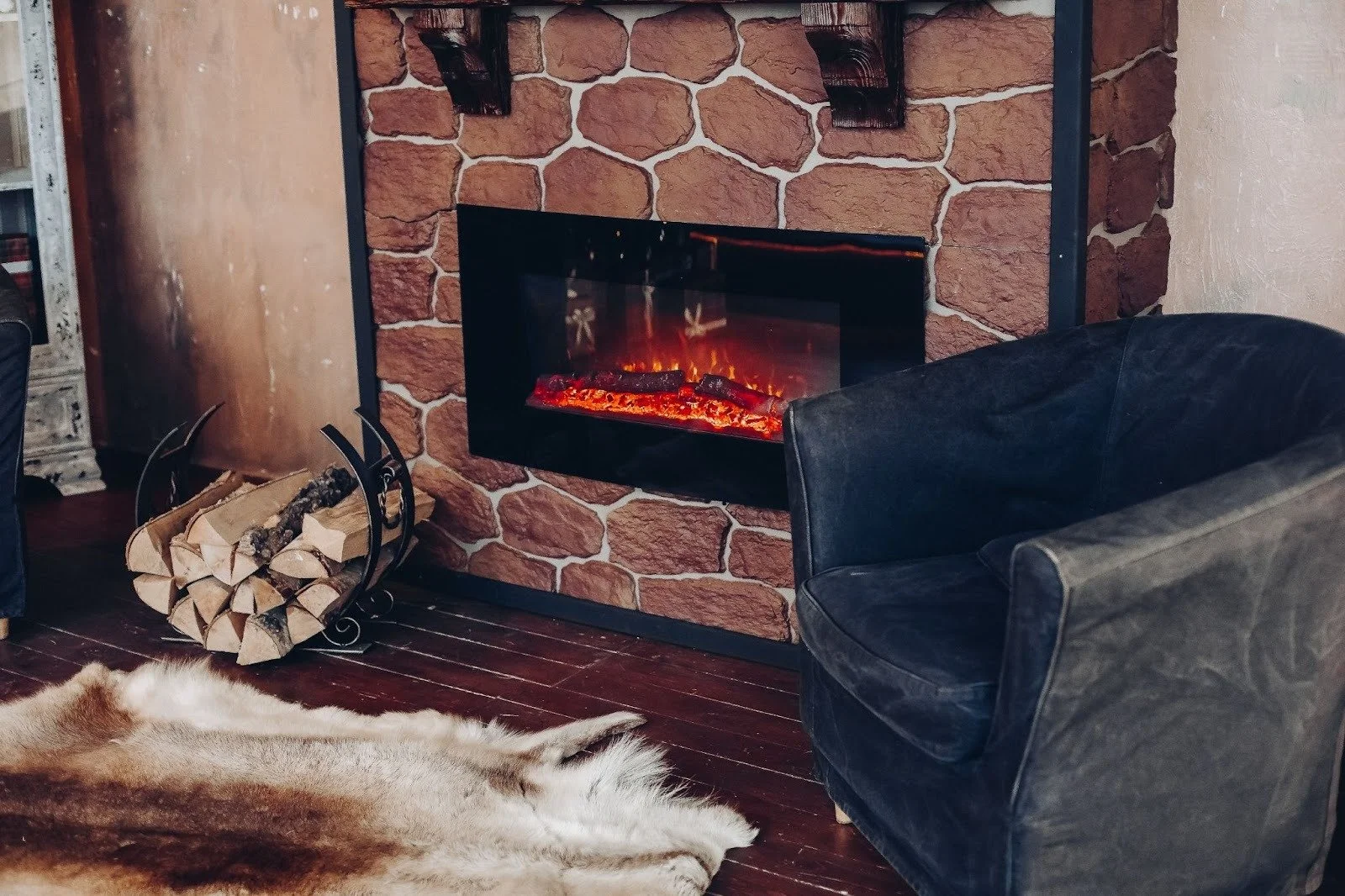
A gas fireplace is more than just a heating appliance; it’s the heart of comfort during chilly Lakewood evenings. Whether you’re warming up after a snowy day or creating a cozy atmosphere for family gatherings, your gas fireplace needs regular care to perform safely and efficiently year after year.
Many homeowners assume gas fireplaces are “maintenance-free,” but that’s one of the biggest misconceptions we encounter. Proper gas fireplace maintenance Lakewood homeowners rely on is essential for safety, energy efficiency, and long-term reliability. From checking the pilot light to vent cleaning and carbon monoxide (CO) checks, routine maintenance protects both your home and your loved ones.
Trust our certified technicians for expert gas fireplace maintenance Lakewood services that keep your system safe, efficient, and ready for winter.
Why Gas Fireplace Maintenance Matters for Lakewood Homes
Lakewood’s climate brings cold winters, fluctuating temperatures, and periods of heavy fireplace use. Over time, this puts stress on internal components like burners, vents, and ignition systems.
Regular maintenance helps:
Prevent unexpected breakdowns during peak winter months
Reduce the risk of gas leaks and carbon monoxide exposure
Maintain consistent heat output and flame appearance
Extend the lifespan of your fireplace
Keep manufacturer warranties valid
Ignoring maintenance doesn’t just reduce performance, it can become a serious safety hazard.
Seasonal Gas Fireplace Maintenance: What Lakewood Homeowners Should Know
Fall: Pre-Season Preparation (Most Important)
Before the heating season begins, your fireplace should be fully inspected and serviced.
Key fall maintenance tasks include:
Pilot light inspection and ignition testing
Burner inspection for rust, debris, or uneven flames
Vent cleaning to remove soot, dust, or blockages
CO checks to ensure safe exhaust flow
This is the best time to schedule professional service, before technicians’ schedules fill up.
Winter: Performance Monitoring & Safety Checks
During heavy use, your fireplace should be monitored closely.
Watch for:
Weak or flickering pilot light
Delayed ignition
Unusual smells or sounds
Soot buildup on glass
If you notice any of these issues, stop using the fireplace and schedule service immediately.
Spring: Post-Season Care
Once winter ends, a light inspection helps prevent corrosion and wear during months of inactivity.
Spring maintenance focuses on:
Cleaning burners and logs
Checking seals and gaskets
Ensuring vents remain clear
Summer: Light Use, Smart Planning
Even if you’re not using your fireplace, summer is an ideal time for maintenance. You’ll avoid winter rush times and ensure your system is ready when temperatures drop again.
Pilot Light: The Heart of Your Gas Fireplace
The pilot light is a small flame, but it plays a big role. It ignites the burner and ensures your fireplace starts reliably.
Signs of Pilot Light Issues
Pilot won’t stay lit
Flame is yellow or weak
Fireplace takes longer to turn on
Pilot light problems are often caused by dirty components, faulty thermocouples, or gas pressure issues, all best handled by professionals.
Burner Inspection: Ensuring Even Heat & Clean Flames
A proper burner inspection ensures gas flows evenly across the burner ports.
What technicians check:
Clogged or corroded burner ports
Uneven flame patterns
Excessive soot or residue
Healthy burners produce steady blue flames with yellow tips. Anything else is a sign maintenance is needed.
Vent Cleaning: A Critical Safety Step
Vent systems remove combustion gases from your home. Over time, vents can become blocked by dust, debris, or even animal nests.
Why vent cleaning matters:
Prevents carbon monoxide buildup
Improves fireplace efficiency
Reduces odors and soot
Blocked vents are one of the most dangerous fireplace issues and should never be ignored.
CO Checks: Protecting Your Family from Carbon Monoxide
Carbon monoxide is colorless, odorless, and extremely dangerous. Routine CO checks are a non-negotiable part of professional gas fireplace maintenance.
During service, technicians:
Test exhaust flow
Check vent connections
Inspect safety shut-off systems
We also recommend installing CO detectors near sleeping areas for added protection.
DIY vs Professional Maintenance: What You Should (and Shouldn’t) Do
What Homeowners Can Safely Do
Keep the area around the fireplace clear
Lightly clean exterior glass (when cool)
Watch for visible changes in flame behavior
What Should Be Left to Professionals
Gas line inspections
Pilot light repairs
Vent cleaning
Burner adjustments
CO testing
Gas appliances require licensed expertise; DIY repairs can void warranties and create serious safety risks.
To understand why expertise matters so much, read our in-depth guide on why quality gas fireplace installation matter.
How Often Should You Schedule Gas Fireplace Maintenance?
For most Lakewood homes:
Once per year is the minimum
Twice per year for heavy use or older systems
Annual professional inspections ensure peak performance and safety throughout the heating season.
Choosing the Right Service Partner in Lakewood
Not all service providers are the same, and when it comes to gas systems, choosing the right service partner is critical for both safety and long-term performance. Experience, proper certifications, and local knowledge all play an essential role in ensuring your gas fireplace is serviced correctly. A qualified technician understands manufacturer specifications, local building codes, and the unique climate-related demands placed on fireplaces in Lakewood homes.
Working with an established, licensed, and insured company helps reduce the risk of improper repairs, recurring issues, and safety hazards such as gas leaks or carbon monoxide exposure. Reputable service providers also offer transparent pricing, detailed inspections, and clear recommendations, so you know exactly what your fireplace needs and why.
Before booking service, we recommend reviewing our guide on choosing the right gas fireplace repair company to ensure your home is in expert hands.
When Maintenance Isn’t Enough: Repair or Replace?
Sometimes maintenance reveals deeper issues. If your fireplace is outdated, inefficient, or requires frequent repairs, replacement may be the smarter long-term option.
Key factors to consider:
Age of the fireplace
Repair frequency and cost
Energy efficiency
Safety upgrades
Our detailed Repair or Replace your gas fireplace guide can help you make a confident, informed decision.
Why Lakewood Homeowners Trust Fireplace & Grill Experts
At Fireplace & Grill Experts, we understand the specific needs of Lakewood homes. Our licensed technicians deliver meticulous inspections, honest recommendations, and dependable service, because your comfort and safety come first.
We don’t just maintain fireplaces; we help protect homes.
Conclusion: Trusted Gas Fireplace Care for Lakewood Homes
Proper gas fireplace maintenance is essential for keeping your Lakewood home safe, efficient, and comfortable throughout the year. From seasonal inspections and pilot light checks to vent cleaning, burner inspection, and carbon monoxide safety, proactive care ensures your fireplace performs reliably when you need it most. Staying ahead of maintenance not only protects your investment but also gives you peace of mind during Colorado’s colder months.
This information has been provided by Fireplace and Grill Experts, Inc., for informational and educational purposes. We are a locally owned and operated family business with over 30 years of experience in the hearth industry, proudly serving Lakewood, Metro Denver, and surrounding areas. If it’s gas-related, our professional and experienced service team is here to help. We take pride in offering affordable, transparent pricing and exceptional service you can trust. If you have questions or would like a free estimate, we invite you to contact our team and experience the Fireplace and Grill Experts difference.
FAQs – Gas Fireplace Maintenance in Lakewood
1. How often should gas fireplaces be serviced in Lakewood?
Gas fireplaces should be professionally serviced at least once a year, ideally before winter, to ensure safe operation, proper ventilation, and reliable performance during peak use.
2. Can a dirty pilot light affect fireplace performance?
Yes, a dirty or weak pilot light can cause ignition delays, uneven flames, or complete failure to start, reducing both efficiency and safety.
3. Is vent cleaning really necessary for gas fireplaces?
Absolutely. Regular vent cleaning prevents blockages, improves airflow, and significantly reduces the risk of carbon monoxide buildup inside your home.
4. How do I know if my fireplace is producing carbon monoxide?
Carbon monoxide is odorless and invisible, so professional CO checks and properly placed CO detectors are essential for early detection and family safety.
5. Should I repair or replace an older gas fireplace?
If your fireplace requires frequent repairs, struggles with efficiency, or no longer meets safety standards, replacement may be the safer and more cost-effective long-term solution.
